

Geophysical methods
Geophysical Characterization Methods
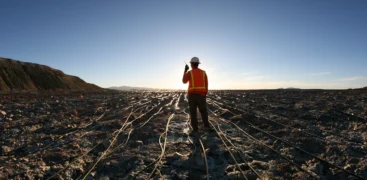
Geophysical characterization integrates multiple imaging and sensing technologies to evaluate subsurface conditions. Each method provides unique data about structure, composition, and moisture variations, together offering a comprehensive understanding of the ground’s behavior and characteristics.
Geophysical Methods
Geophysical Methods that Deliver Results
Our geophysical methods deliver proven technologies that reveal what’s happening below the surface. By mapping subsurface structure, fluid flow, and variability, we provide the clarity and confidence you need to guide decisions, reduce risk, and optimize site performance across your operations.
Geophysical Methods
Our Geophysical Methods
Explore the methods below to see which approach best fits your project needs. If you’re unsure where to begin, our team can guide you toward the right method for your specific needs.
Electrical Resistivity
Electrical resistivity measures variations in subsurface electrical properties to reveal differences in material composition.
Induced Polarization
Induced polarization measures how subsurface materials temporarily store electrical charge to reveal compositional differences.
Ground Penetrating Radar (GPR)
Ground penetrating radar measures reflected electromagnetic signals from subsurface materials, helping map buried utilities, structural features, and shallow subsurface conditions.
Electromagnetic Induction
Electromagnetic induction measures conductivity responses in subsurface materials, helping map geologic variations, buried infrastructure, and groundwater conditions.
Apply Geophysical Methods
Geophysical methods offer a non-invasive way to understand subsurface conditions where direct access is limited. Field-verified geophysical data supports characterization, reduces uncertainty, and guides focused investigation and planning below ground.