

Seismic and Acoustic Methods
Studying The Earth’s Interior
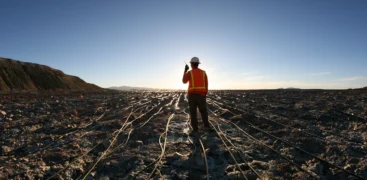
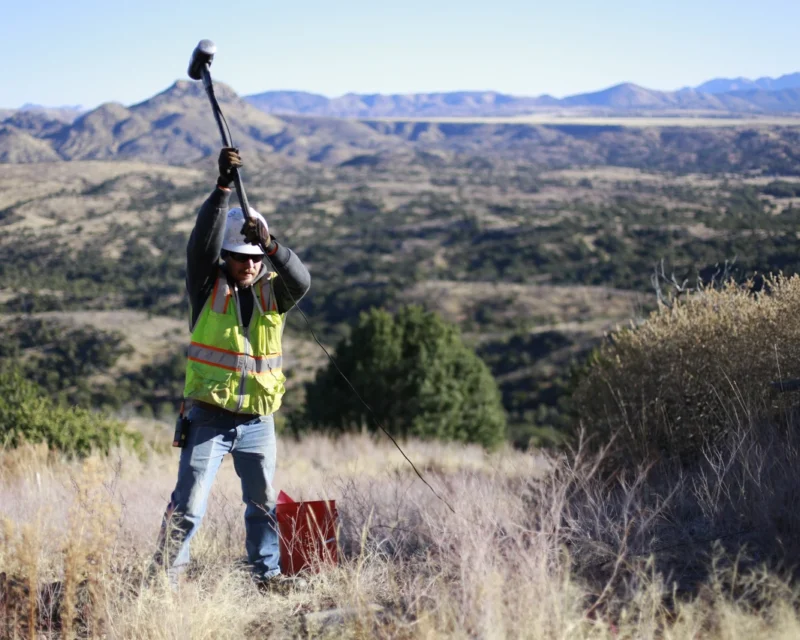
Seismic and acoustic methods use controlled energy sources and surface receivers to measure how waves travel through the ground. The recorded response is used to characterize subsurface conditions across a range of depths and materials.
Seismic and Acoustic Methods
Imaging the Subsurface With Seismic Energy
Subsurface conditions are often laterally variable and poorly constrained by surface observations alone. Seismic methods are applied where depth to bedrock, material stiffness, layering, or structural features must be understood. By measuring acoustic velocity, the speed at which sound waves travel through earth materials, seismic surveys provide a high-resolution, noninvasive means of characterizing subsurface conditions.
Seismic and Acoustic Methods
Field-Applied Seismic Techniques
Certerra applies multiple seismic and acoustic techniques depending on site conditions, investigation depth, and project goals. Each method is selected based on how seismic energy interacts with the subsurface materials of interest.
Seismic Refraction
Measures first-arrival travel times to estimate layer velocities and depth to interfaces.
Seismic Reflection
Uses reflected energy to image deeper subsurface layering and structural features.
MASW (Multichannel Analysis of Surface Waves)
Analyzes surface wave dispersion to characterize near-surface stiffness and layering.
Passive / Acoustic Measurements
Uses ambient or low-energy sources to supplement subsurface characterization where appropriate.
See Below the Surface
Seismic and acoustic methods provide subsurface insight where surface observations fall short. Field-applied surveys help characterize ground conditions and support planning decisions that depend on understanding what lies beneath.