Certerra Subsurface Liner Leak Location – Pinpointing industrial pond liner leaks
News2 Mar 2026
Multichannel Analysis of Surface Waves (MASW) is a surface-based seismic method that evaluates how surface waves travel through the ground. The method is used to characterize near-surface material stiffness and layering
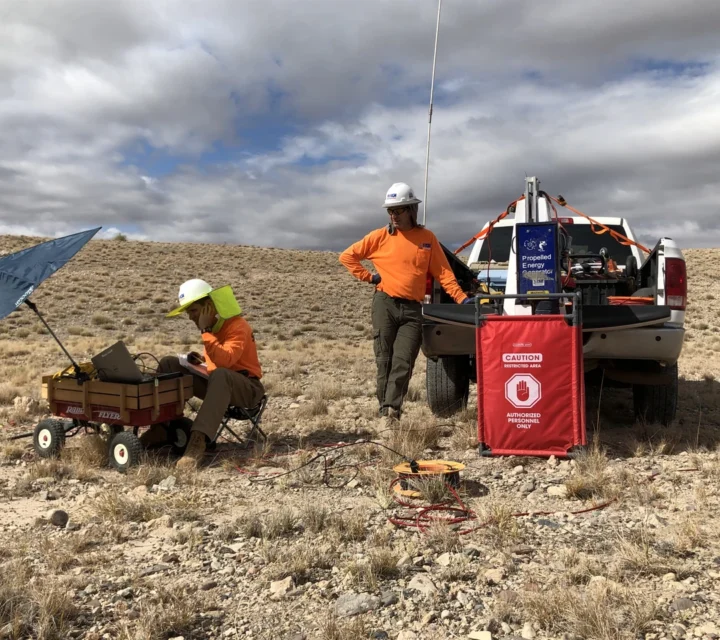
Near-surface conditions can vary significantly across short distances and are often not well defined by surface observations alone. MASW is used where understanding material stiffness and shallow layering supports planning and investigation decisions.
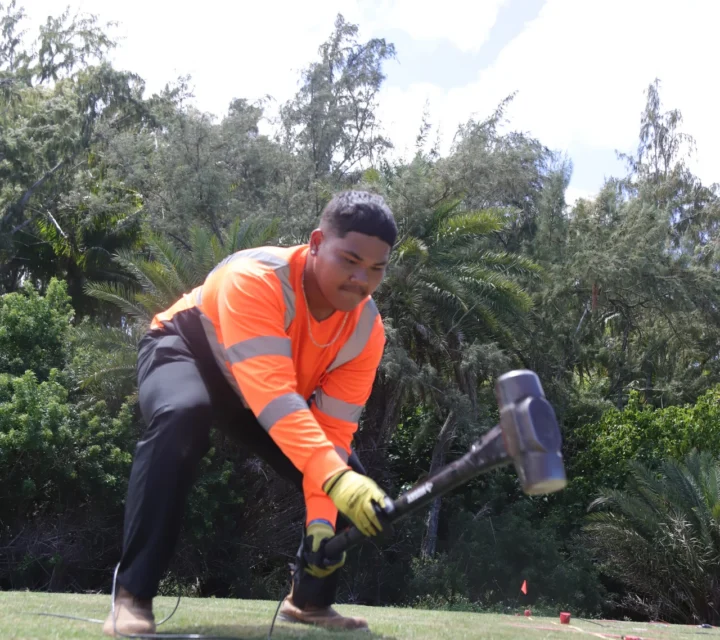
Surface waves are generated using a controlled source and recorded by an array of sensors. The recorded wavefield is analyzed to evaluate dispersion behavior, which is used to estimate shear-wave velocity variations with depth.
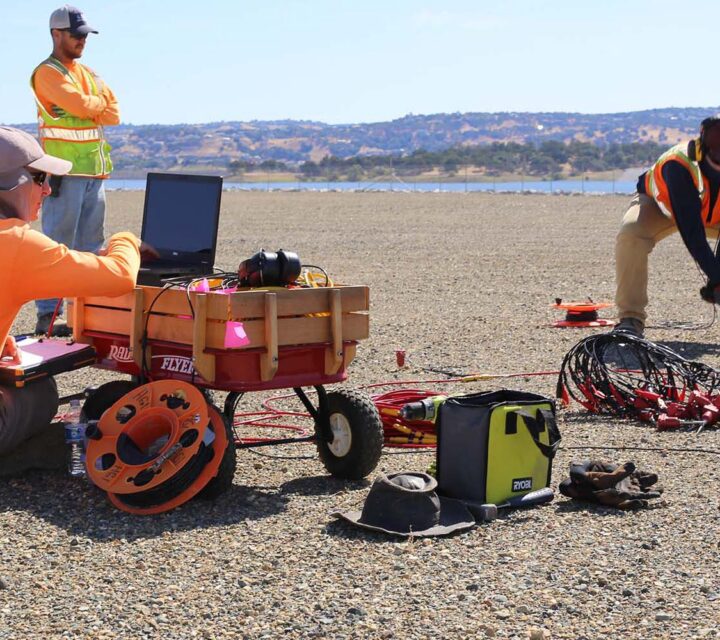
Deliverables include shear-wave velocity profiles and interpreted subsurface models. Results support coordination and planning where near-surface material properties influence subsurface understanding.
These questions explain how MASW surveys are performed and what type of subsurface information the method provides.
MASW evaluates surface wave behavior to estimate shear-wave velocity with depth.
Depth depends on array length, spacing, and site conditions.
Yes. MASW surveys are performed entirely from the surface.
MASW is used when near-surface stiffness and shallow layering are the primary focus.
MASW surveys provide insight into near-surface material behavior where surface observations are limited. Field-applied measurements support planning decisions that depend on understanding shallow subsurface conditions.
Loading...