Certerra Subsurface Liner Leak Location – Pinpointing industrial pond liner leaks
News2 Mar 2026
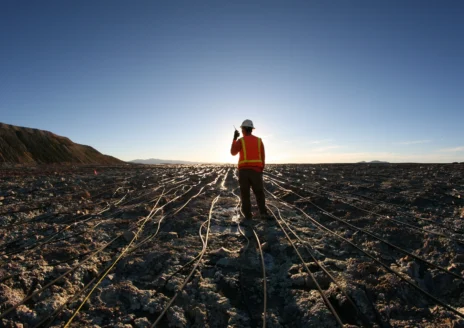
Every dam has unseen forces at work beneath the surface. Certerra’s non-invasive geophysical technology brings that hidden world to light, revealing how water moves through the structure, where weaknesses form, and how the structure performs. The result is a clear, confident understanding of integrity, stability, and long-term performance.
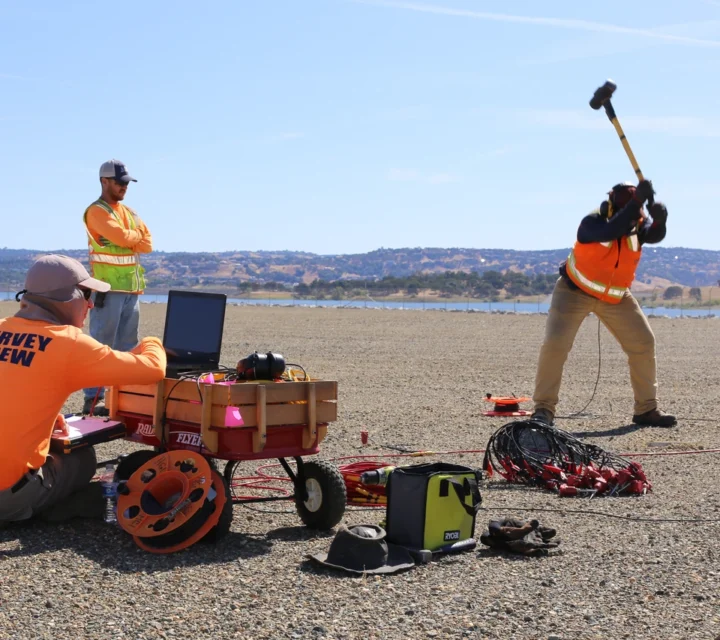
We use electrical resistivity, streaming potential, and seismic methods to map dam internal structure. Electrical techniques reveal changes in moisture content, saturation, and fluid movement, while seismic methods measure variations in stiffness and density to evaluate material strength, compaction, and core uniformity. Together, these tools create high-resolution cross-sections revealing seepage zones, structural weaknesses, and potential failure points to evaluate stability, giving you the data needed to evaluate stability and plan maintenance.
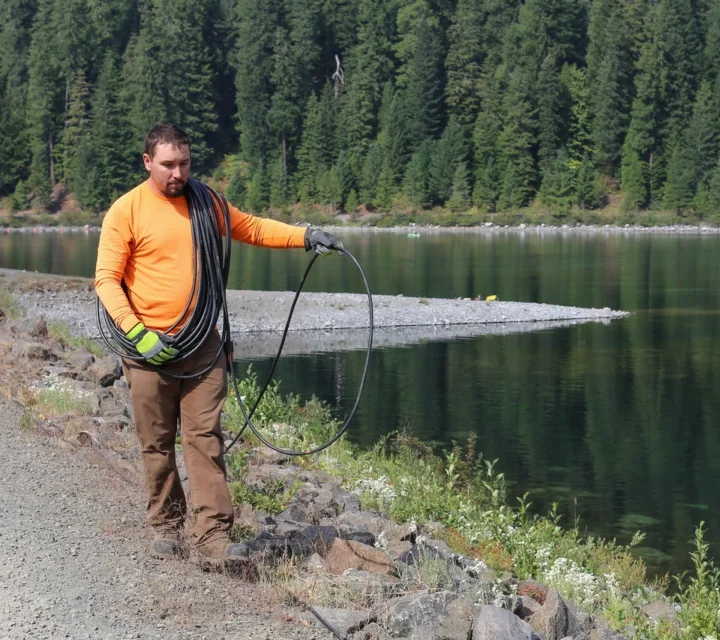
Traditional monitoring tools like piezometers and visual inspections leave gaps between measurement points, missing critical subsurface conditions. Our geophysical methods fill those gaps, detecting seepage pathways, weak zones, and construction anomalies invisible from the surface. We map continuous subsurface profiles across your dam structure, revealing issues before they become failures. Early detection enables targeted maintenance, reduces emergency repair costs, and helps you maintain compliance while protecting downstream communities and infrastructure.
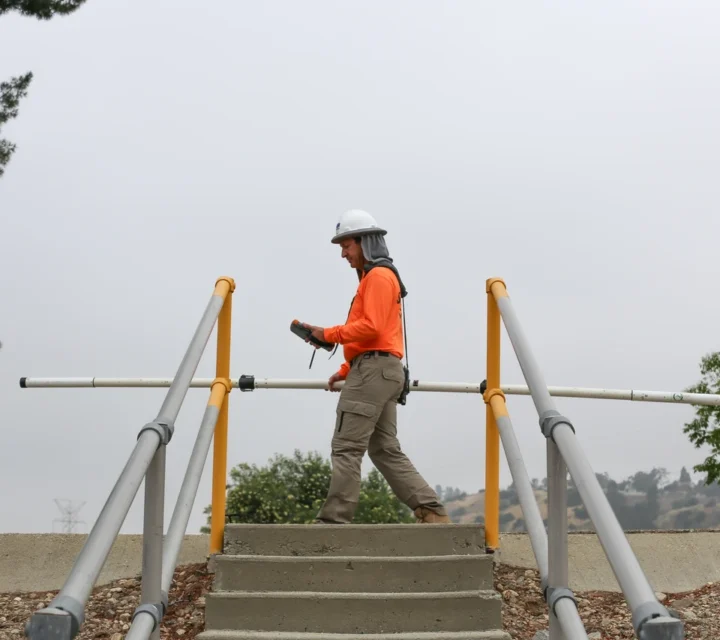
We deliver a detailed subsurface view of your dam and embankment conditions without excavation or operations disruption. Our data provides continuous, detailed cross-sections that visualizes structural integrity, seepage patterns, and material variations. This intelligence enhances decision making, supports engineering design, and improves confidence in the long-term stability of containment systems. The result is proactive asset management that extends infrastructure life, reduces emergency repair costs, and ensures safe, reliable performance.
Seepage assessment is critical for long-term maintenance of dams, embankments, levees, and tailings storage facilities. Certerra’s geophysical technologies create images of internal structure to locate abnormal seepage or piping pathways before they compromise stability.
Electrical resistivity mapping is a non-invasive, cost-effective method for investigating seepage in dams, levees, and impoundments. Sensitive to moisture and saturation, this technique identifies areas of high conductivity that indicate potential seepage or voids.
Seismic mapping helps reveal the internal structure of earthen dams, levees, and embankments. By measuring the velocity of sound waves through subsurface materials, Certerra identifies zones of weakness, lower density, or instability that may correspond to seepage or piping.
Dam monitoring with geophysical methods represents a significant advancement in safety and maintenance. Certerra uses electrical resistivity, seismic, and self-potential techniques to detect changes in soil saturation, strength, and flow pathways. Repeat measurements reveal subtle shifts over time, offering real-time insight.
Our geophysical methods reveal subsurface conditions without excavation or disruption. These non-invasive technologies deliver the data you need to reduce uncertainty and guide informed decision-making. Explore the specific methods we use below.
Get the facts about dam seepage mapping, how it works, why it matters, and how geophysical techniques help protect critical infrastructure, reduce risk, and improve long-term dam performance.
Dam seepage mapping uses noninvasive geophysical technologies to image the internal structure of dams and embankments, identifying areas where water movement may affect integrity and performance.
Geophysical methods measure variations in subsurface electrical and seismic properties, revealing zones of increased moisture, saturation, or weakness that indicate potential seepage paths.
Periodic or continuous monitoring is recommended. Regular assessments detect gradual changes over time and ensure that dams remain structurally sound under changing environmental conditions.
No. Most geophysical investigations are surface-based and noninvasive, making them safe, efficient, and cost-effective compared to conventional sampling or coring methods.
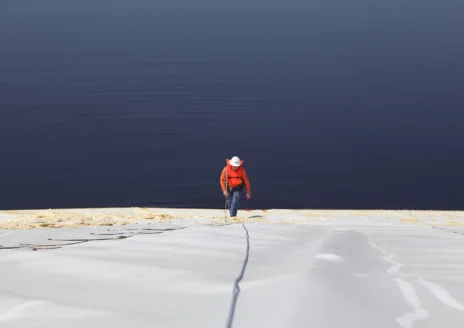
Undetected seepage can increase risk and uncertainty in dam performance. Dam leak detection provides field-verified leak and seepage locations to support monitoring strategies, maintenance planning, and informed subsurface decision-making.
Loading...