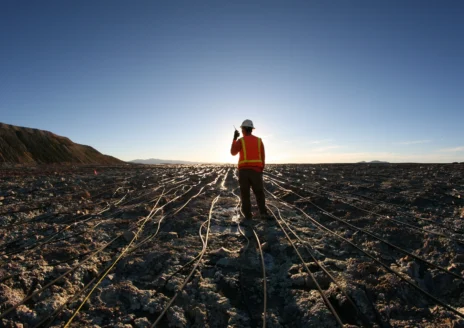
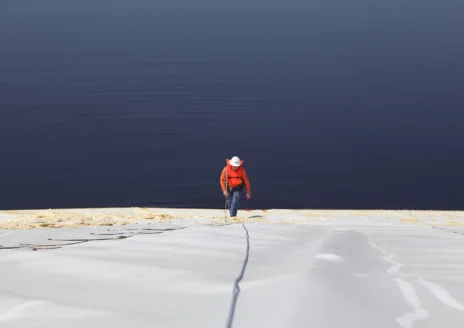
Certerra Subsurface Liner Leak Location – Pinpointing industrial pond liner leaks
News2 Mar 2026
Soil sampling involves collecting subsurface soil materials during drilling to support environmental and geotechnical investigations. Methods are selected based on soil type, depth, and data requirements, with emphasis on controlled collection, documentation, and representative sample recovery.
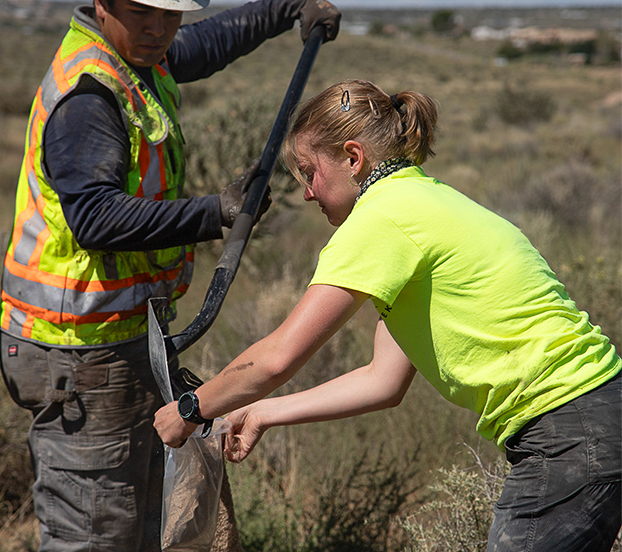
Soil samples are collected during drilling using tools appropriate to subsurface conditions and project objectives. Sampling may occur at discrete depths or continuously, depending on investigation requirements. Methods are designed to recover representative material while managing disturbance and preventing cross-contamination. Samples are logged, contained, and preserved according to project protocols before being transferred for laboratory analysis. Soil sampling activities focus on material collection only and are performed independently from data interpretation or engineering evaluation.
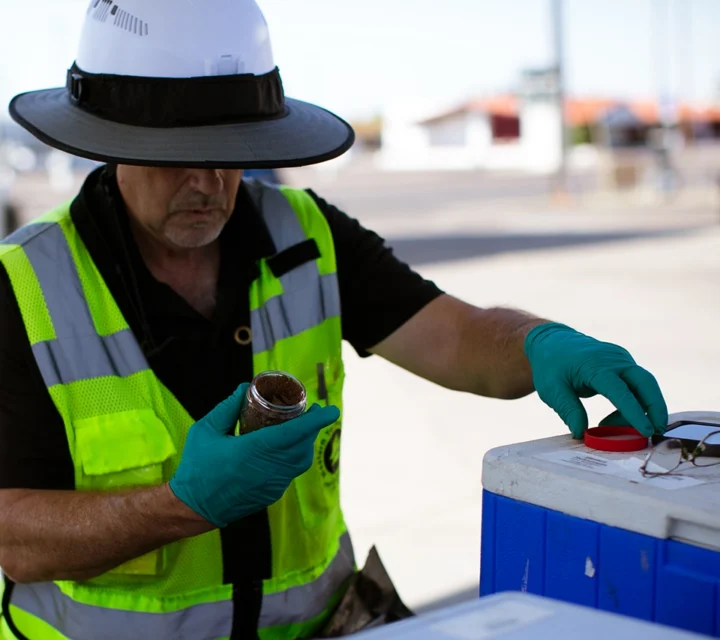
Soil sampling supports environmental site assessments, geotechnical investigations, and subsurface characterization programs. Collected samples provide material for laboratory testing, helping evaluate soil composition, stratigraphy, and physical properties relevant to regulatory, environmental, and engineering decision-making.
Learn more about soil sampling, including how samples are collected, when methods are used, and considerations that influence sample quality and representativeness.
Soil sampling provides physical subsurface material for laboratory testing and evaluation, supporting environmental characterization and geotechnical assessment of soil conditions.
Methods are selected based on soil type, depth, drilling approach, and required sample quality, while considering project objectives and applicable regulatory guidance.
Some disturbance is unavoidable during sampling; however, methods are chosen to manage disturbance and obtain representative material appropriate for the intended analysis.
Quality is maintained through controlled collection, proper containment, clear labeling, documentation, and adherence to handling and preservation.
Reliable subsurface evaluation depends on representative soil samples. Drilling-based soil sampling provides controlled access to subsurface soils at depth, supporting investigation and documentation with field-verified results to inform planning and decision-making.
Loading...