

Certerra Subsurface Liner Leak Location – Pinpointing industrial pond liner leaks
News2 Mar 2026
Magnetic surveys are passive geophysical methods that measure variations in the Earth’s magnetic field. These variations reflect differences in subsurface materials and structure, providing insight without introducing energy into the ground.
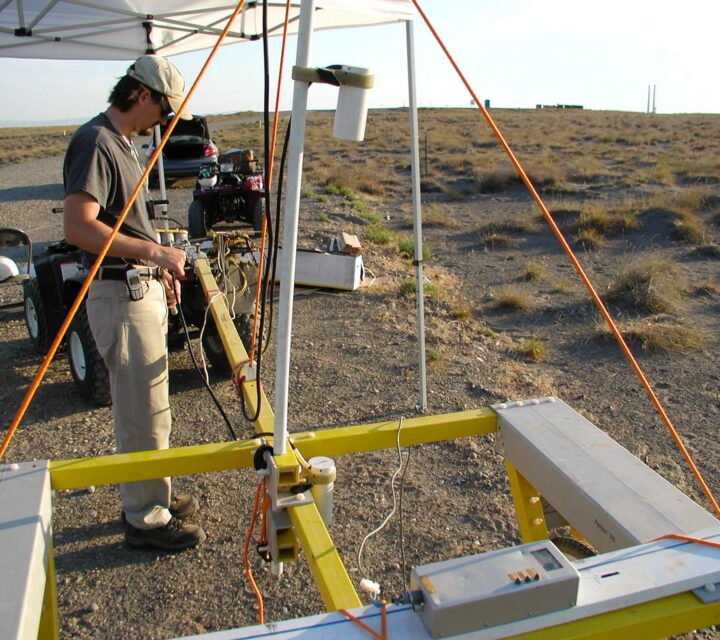
Subsurface features with contrasting magnetic properties can influence planning and investigation. Magnetic surveys are used to identify anomalies, map structural trends, and support regional understanding where surface observations alone provide limited insight.
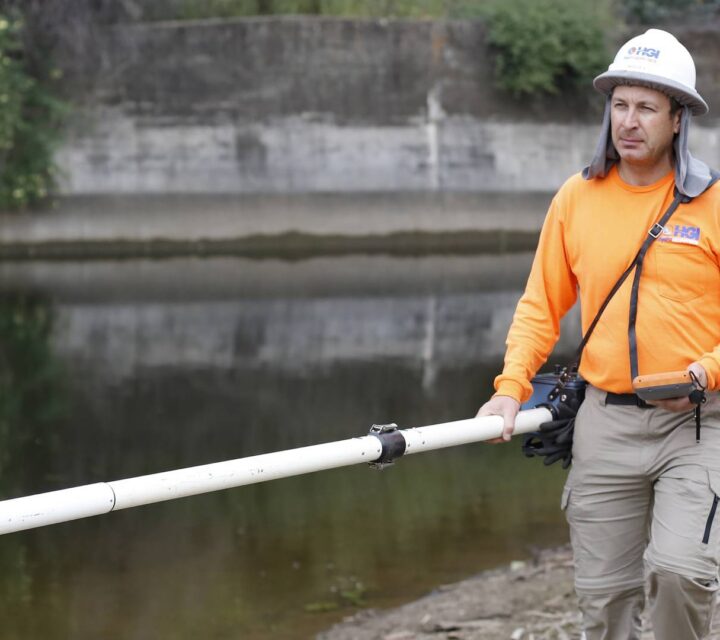
Sensitive magnetometers are used to measure small variations in the Earth’s magnetic field at or above the surface. Data is collected across the survey area and processed to identify magnetic anomalies associated with subsurface material contrasts.

Deliverables include magnetic anomaly maps, documented survey results, and supporting datasets. Outputs provide regional context and help guide follow-up investigations or integration with other subsurface information.
These questions explain how magnetic surveys are performed and what type of subsurface information they provide.
They detect variations in the Earth’s magnetic field caused by subsurface materials.
Yes. Magnetic surveys do not introduce energy into the ground.
Magnetic surveys often identify structural trends and material contrasts.
Magnetic data is commonly integrated with other geophysical or subsurface information.
Magnetic surveys provide regional insight into subsurface conditions using passive field measurements. These methods help identify broad trends and anomalies that support planning and guide focused investigation.
Loading...