Certerra Subsurface Liner Leak Location – Pinpointing industrial pond liner leaks
News2 Mar 2026
Potholing uses vacuum excavation to safely expose buried utilities for visual confirmation. This direct investigation approach provides precise utility location information while minimizing surface disturbance and reducing the risk of damage during excavation or construction.
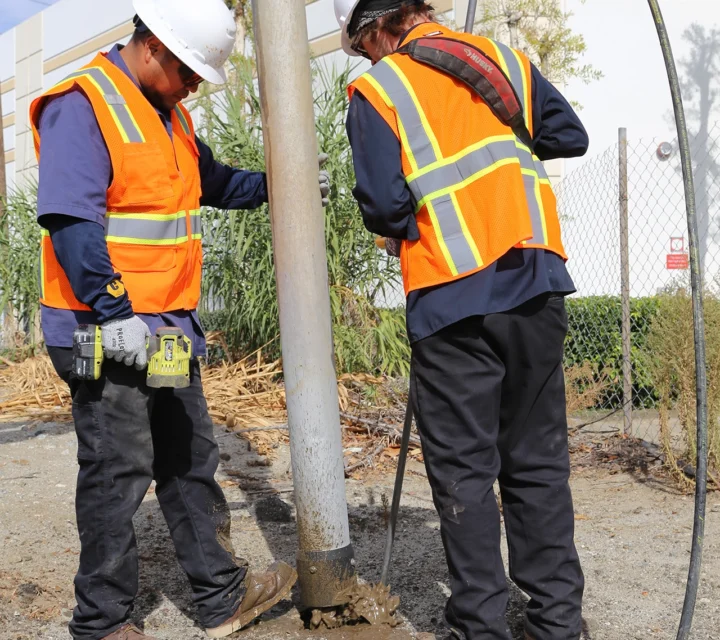
Surface locating methods can identify utility alignment, but certain activities require direct visual confirmation. Potholing addresses this need by exposing utilities at targeted locations, reducing uncertainty before drilling, coring, trenching, or construction in congested subsurface environments.
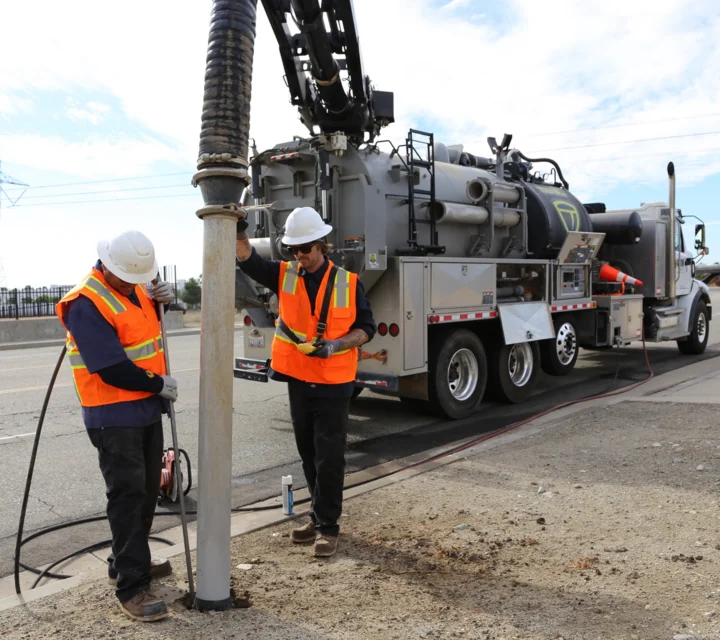
Target locations are identified through prior locating or investigation efforts. Vacuum excavation using air or water carefully removes soil to expose utilities. Execution emphasizes control, safety, and minimal surface impact while allowing direct visual verification.
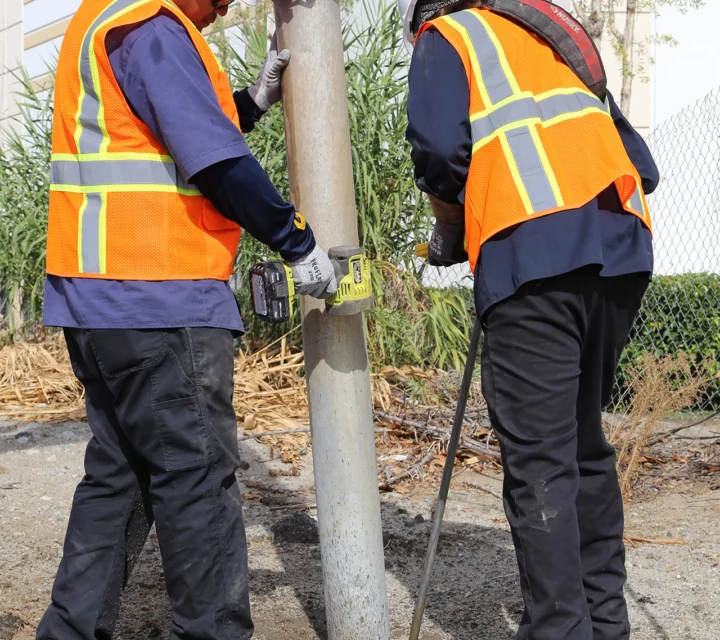
Deliverables include visually confirmed utility exposures, documented locations, and supporting field observations. Results support coordination with other investigation methods and help reduce risk during excavation or construction activities.
Direct investigation often involves multiple approaches depending on access, utility type, and project requirements. These related services support visual confirmation, targeted exposure, and field-verified documentation when greater subsurface confidence is required.
Camera inspection provides internal access to pipes where sondes are commonly deployed.
Internal transmitters trace conduits where surface locating cannot confirm alignment.
Field-verified conduit data documented using survey-grade mapping and reporting workflows.
Defined work areas verified using multiple investigation methods before excavation or drilling.
Learn more about when potholing is used, how vacuum excavation works, and what information visual utility exposure provides during direct investigation.
Potholing is used when visual confirmation of utility location or depth is required before excavation or construction.
Yes. Vacuum excavation minimizes surface disturbance and reduces the likelihood of utility damage.
No. Potholing is typically performed after locating to visually confirm utility position.
Results include documented exposure locations and field observations supporting coordination and planning.
Potholing and vacuum excavation provide controlled, non-destructive exposure of buried utilities. Field-verified exposure points support accurate documentation, coordination, and informed decisions where precise utility location is required.
Loading...