Certerra Subsurface Liner Leak Location – Pinpointing industrial pond liner leaks
News2 Mar 2026
CCTV inspection provides direct visual access to the interior of buried pipes and conduits. Remote camera systems are used to observe internal conditions, verify connectivity, and document features without excavation or service disruption.
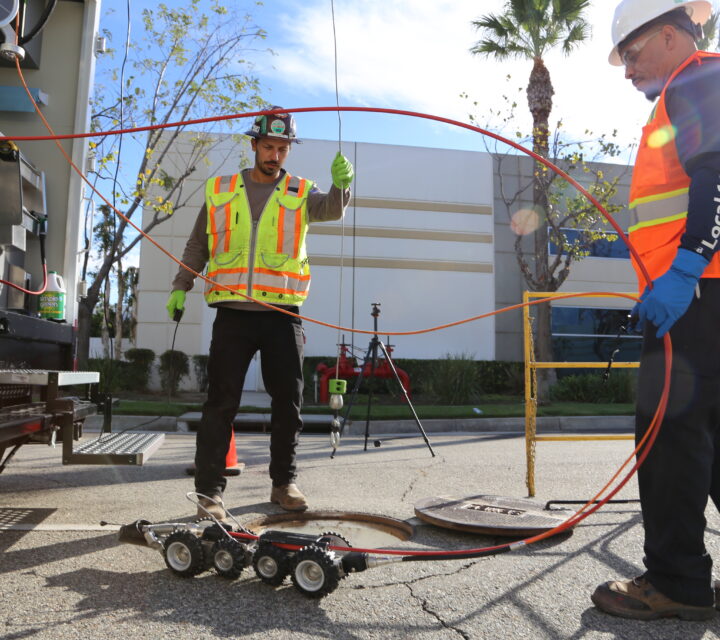
Buried pipes may have unknown internal conditions, undocumented connections, or suspected obstructions. CCTV inspection addresses these uncertainties by providing direct visual confirmation before maintenance, rehabilitation, or further investigation proceeds.
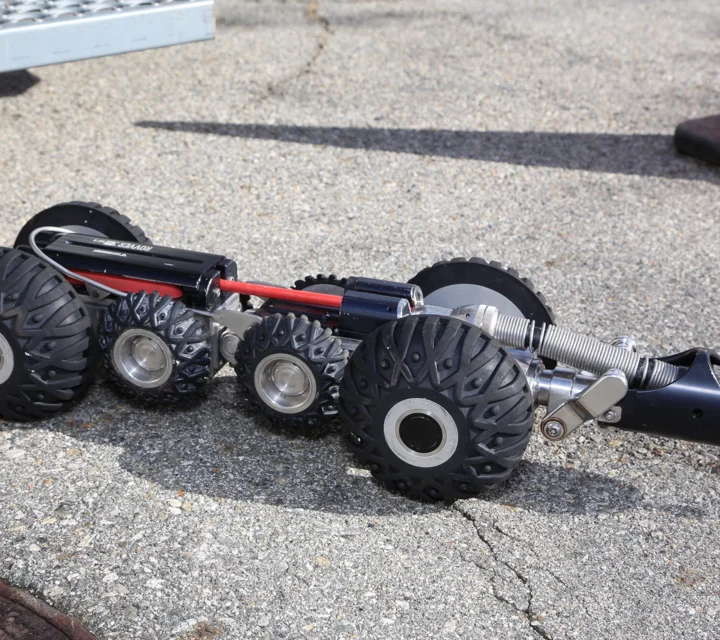
Inspection is performed through existing access points such as cleanouts or manholes. Camera systems are advanced through the pipe while operators observe and record conditions in real time. Execution emphasizes steady progression, clear imagery, and complete coverage of the inspected segment.
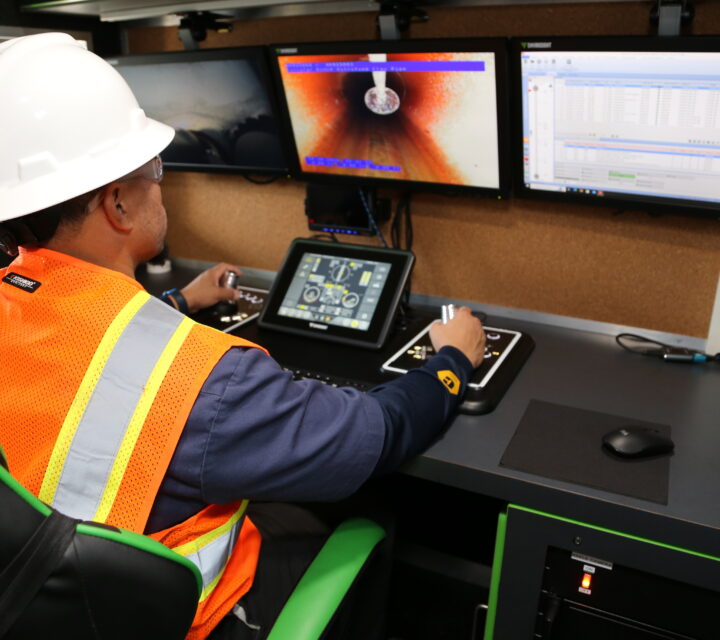
Deliverables include recorded video, still imagery, and inspection logs documenting observed features and conditions. Outputs support verification, coordination, and informed next steps within broader subsurface investigations.
CCTV inspection uses remotely operated camera systems selected based on pipe size, access conditions, and inspection objectives. Each method supports non-destructive internal observation and documentation.
Locatable transmitters trace underground conduits where surface locating alone cannot confirm alignment.
Vacuum excavation exposes utilities for direct visual confirmation at critical conflict points.
Field-verified utility information documented using survey-grade mapping and reporting workflows.
Verification of subsurface conditions within defined work areas before excavation or drilling begins.
Learn more about how CCTV inspection is performed and what information it provides.
Most accessible pipes and conduits can be inspected, depending on diameter, length, and available entry points such as cleanouts or manholes.
No. CCTV inspection provides internal visual confirmation in pipes. Utility locating and potholing are used to identify or confirm utilities from the surface or through exposure.
Typically no. CCTV inspection is usually performed through existing access points. Excavation is only considered if access is not available.
Deliverables commonly include recorded video, still images, and inspection logs documenting observed features and conditions within the inspected segment.
CCTV inspection delivers direct visual confirmation of internal pipe conditions without excavation. Recorded video and inspection logs support verification, coordination, and clear next steps when internal conditions must be confirmed accurately.
Loading...