

Environmental Monitoring
Protecting the Environment with Subsurface Mapping
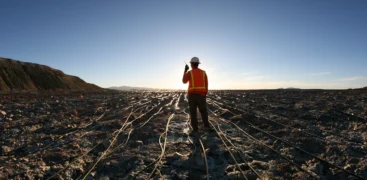
Certerra leverages advanced geophysical technology to monitor and understand subsurface conditions. Our non-invasive approaches are designed to track dynamic environmental processes beneath the surface without causing disruption. By analyzing variations in physical properties, we reveal how natural systems evolve over time–providing an accurate understanding of underground changes. This technology provides actionable insights for complex environmental investigations, enabling informed decisions that support sustainability, resource protection, and long-term ecosystem health.
Environmental Monitoring
Protecting What’s Beneath: Why Environmental Monitoring Matters
Certerra delivers actionable intelligence through high-resolution geophysical imaging and continuous subsurface monitoring. This intelligence enables you to develop better environmental strategies, optimize site operations, and reduce uncertainty during critical projects.
Beyond static snapshots, our technology provides time-lapse monitoring that reveals how subsurface conditions evolve over time. This capability empowers proactive decision-making rather than reactive responses, turning complexity into clarity and uncertainty into confidence.
Environmental Monitoring
Environmental monitoring
Certerra offers comprehensive geophysical services for environmental mapping. Our non-invasive methods provide high-resolution subsurface imaging, delivering detailed insights into subsurface conditions without disturbing the environment.
Environmental Monitoring
Proven Methods for Environmental Protection
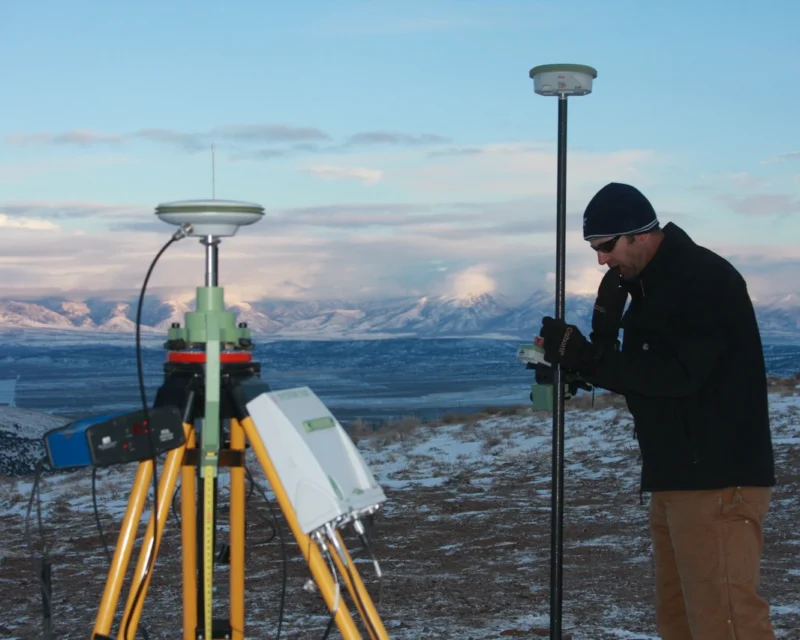
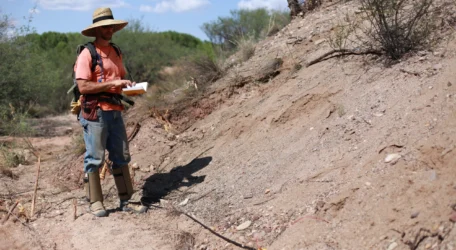
We use multiple geophysical methods for environmental monitoring projects. These non-invasive techniques detect subsurface changes, track contamination, and assess site conditions, providing the continuous data you need for effective environmental management.
Electrical resistivity
Electrical resistivity measures variations in subsurface electrical properties to reveal differences in material composition.
Monitor Subsurface Conditions
Environmental conditions below ground can change over time and influence project outcomes. Environmental monitoring provides field-verified data that supports awareness, documentation, and informed decisions tied to subsurface conditions.