
Certerra Subsurface Liner Leak Location – Pinpointing industrial pond liner leaks
News2 Mar 2026
Nuclear Magnetic Resonance (NMR) is a geophysical technology that directly senses the presence of water in porous materials. By detecting the magnetic response of hydrogen atoms, NMR reveals water content, pore size distribution, and vertical variations within subsurface materials, providing insight into the structure and behavior of fluids underground.
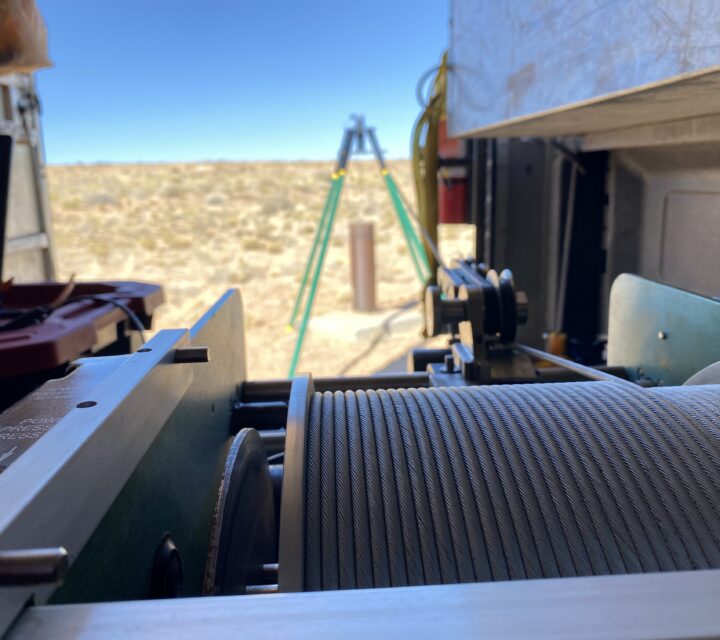
Nuclear Magnetic Resonance works by detecting the magnetic response of hydrogen atoms within water molecules. When exposed to a controlled magnetic field, hydrogen nuclei align and respond to radio-frequency energy. As they return to their natural state, they emit measurable signals. By analyzing these responses, NMR reveals water distribution and pore structures within porous materials. These measurements allow scientists to evaluate how water is stored and distributed vertically within subsurface formations.
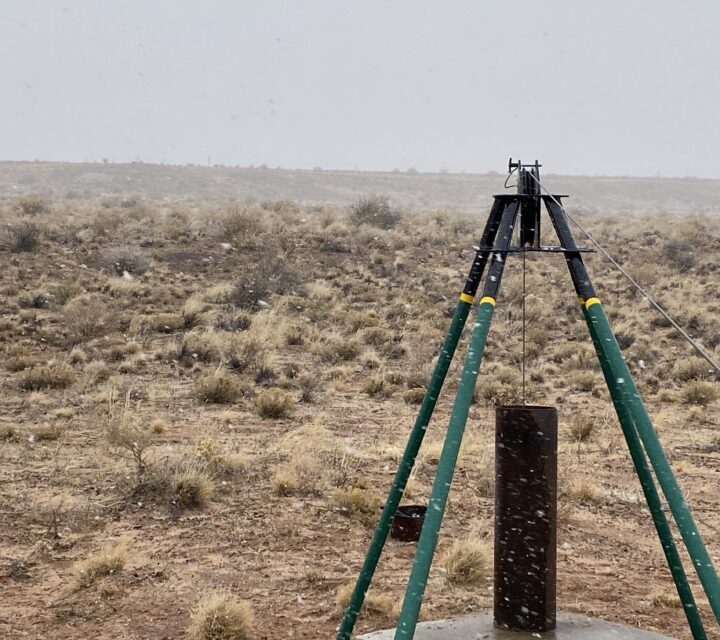
Borehole NMR is used to investigate subsurface conditions by mapping aquifers, estimating hydraulic conductivity, and evaluating water content in porous materials. The technology supports groundwater studies, environmental monitoring, engineering hazard assessments, and mining investigations by providing information on fluid movement, contamination pathways, subsurface stability, and conditions affecting construction, resource development, and environmental management.
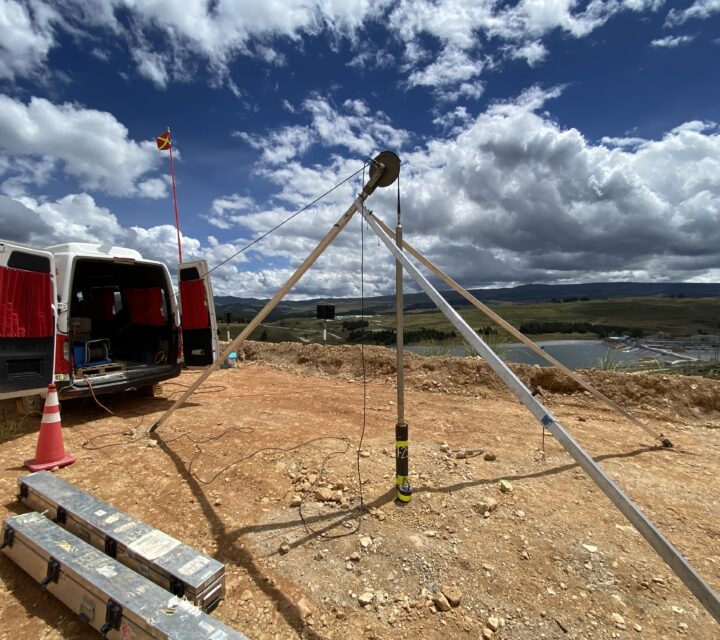
Nuclear Magnetic Resonance provides quantitative measurements of water content, pore size distribution, and vertical fluid variation within porous materials. By directly sensing hydrogen in water molecules, the technology offers reliable insight into how fluids are stored and distributed underground.
Learn how Nuclear Magnetic Resonance works, why it matters for subsurface characterization, and how this technology reveals water distribution, pore structure, and fluid behavior within porous materials.
NMR detects hydrogen atoms contained in water molecules. When exposed to a magnetic field and radio-frequency energy, hydrogen nuclei produce measurable signals that indicate the presence and behavior of water.
NMR directly senses water molecules rather than inferring their presence through indirect properties. This allows quantitative measurement of water content and pore size distribution within porous materials.
Pore size distribution describes the range of void spaces within a material. Understanding pore size helps determine how water is stored, how it moves, and how fluids interact with subsurface materials.
By analyzing the magnetic signals produced by hydrogen nuclei, NMR reveals how water exists within pores, including whether it is tightly bound or free to move.
Nuclear Magnetic Resonance provides direct measurements of water content, pore structure, and fluid behavior within porous materials. These insights help reveal how water is stored and distributed below ground, improving the understanding of subsurface conditions and supporting more informed technical decisions.
Loading...