Certerra Subsurface Liner Leak Location – Pinpointing industrial pond liner leaks
News2 Mar 2026
Rippability analysis determines how easily soil or rock can be mechanically excavated using conventional equipment. It measures how subsurface materials respond to mechanical loosening and extraction. This understanding is critical as it directly informs excavation planning, cost estimation, and equipment selection for your project, helping you avoid surprises and budget overruns.
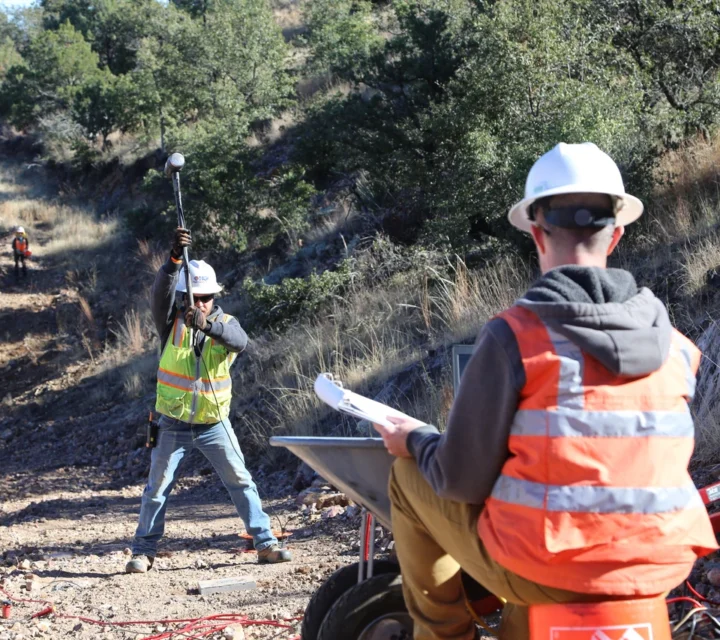
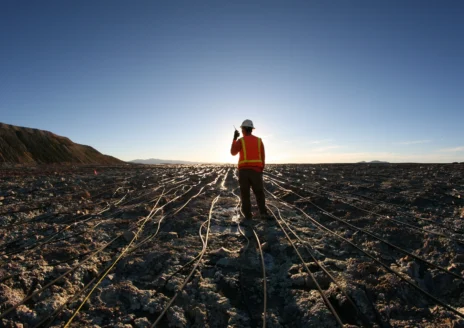
We apply geophysical methods to assess the mechanical excavability of subsurface materials. Seismic refraction surveys measure seismic velocity as a proxy for rock strength and fracture presence. Faster velocities typically indicate stronger, less rippable rock. Complementary approaches, such as electrical resistivity imaging, help distinguish weathered rock from competent rock by detecting differences in electrical properties. Together, these techniques create layered models of subsurface velocity and resistivity, revealing zones where excavation resistance varies across your site.
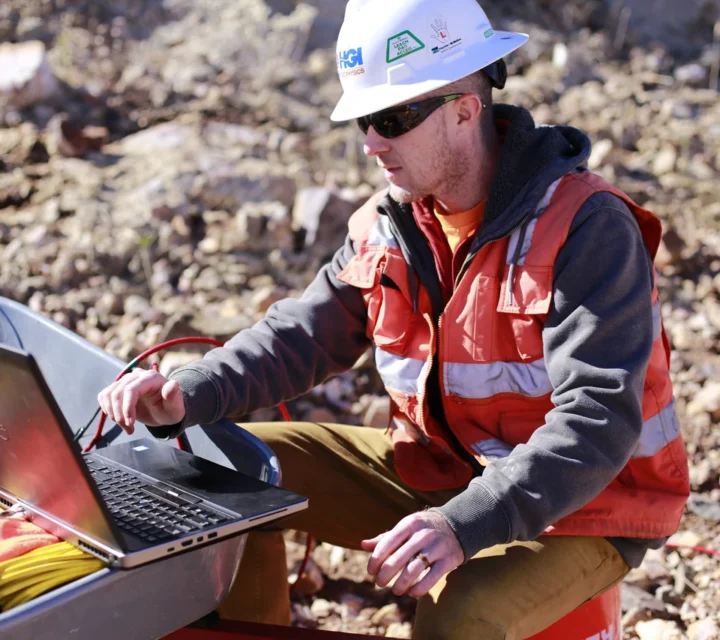
Many projects encounter unexpected subsurface conditions that impede excavation, inflate costs, and require blasting or heavy machinery, causing significant schedule delays. We address this uncertainty by providing non-invasive insight into subsurface excavation conditions before work begins.
Understanding rippability helps you avoid surprises such as unexpectedly massive rock with no weakness planes, high-strength units, or variations between fractured and intact zones that affect mechanical removal. This advance knowledge enables better budgeting, more appropriate equipment selection, and proactive risk mitigation.
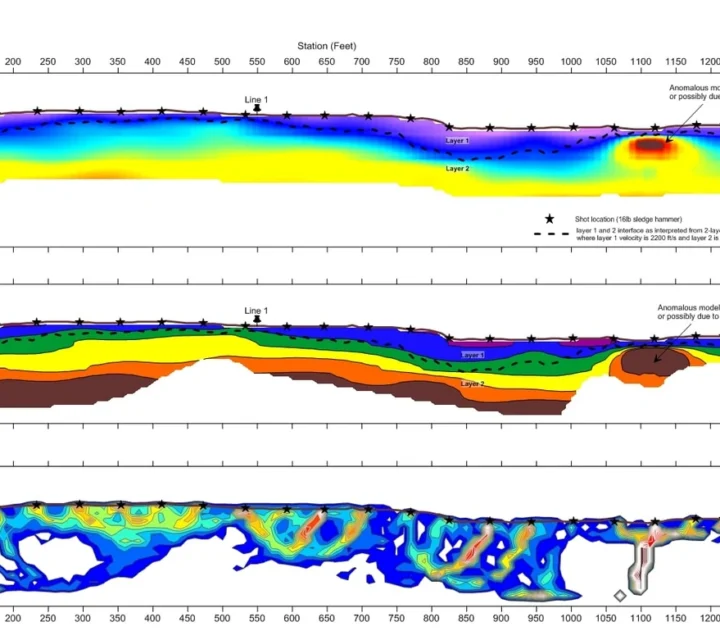
You receive a clear, spatially resolved picture of subsurface excavability: mapped zones where mechanical removal will be easier or more challenging. This intelligence enables informed decisions on equipment sizing, excavation methods (ripping versus blasting), scheduling, and cost forecasting. The results are reduced uncertainty, optimized planning, and greater confidence in your earthwork commitments. Our geophysical approach delivers both strategic guidance and subsurface data giving you the complete picture before breaking ground.
Geophysical characterization integrates multiple imaging and sensing technologies to evaluate subsurface conditions. Each method provides unique data about structure, composition, and moisture variations–together offering a comprehensive understanding of the ground’s behavior and characteristics.
Explore key questions about understanding, predicting, and managing excavation conditions through rippability analysis.
By indicating zones of easier versus more resistant material, the analysis supports decisions on type and size of excavation machinery, ripping versus blasting, or need for specialized methods.
They can expect more accurate cost and schedule forecasts, proactive risk mitigation, and better alignment of equipment and resources to actual subsurface conditions. Rippability Analysis helps you avoid budget overruns and delays caused by unexpected excavation challenges.
Rippability analysis fits into pre-construction phases to inform budgeting, sequencing, and contingency planning. By embedding subsurface reality into your planning model upfront, you avoid costly surprises during excavation, when changes are most expensive and disruptive.
Rippability analysis addresses uncertainties around subsurface strength, fracture density, weathering degree, and excavation resistance, which are key factors that routinely derail earthwork projects and inflate costs. With this data, you can plan excavation methods and equipment needs accurately from the start.
Subsurface conditions directly affect excavation approach and effort. Excavation rippability analysis provides field-verified insight into material variability to support equipment planning, cost control, and informed excavation decisions.
Loading...