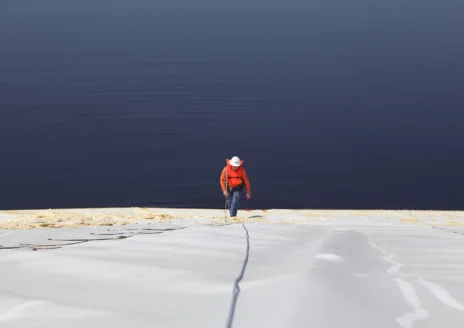
Certerra Subsurface Liner Leak Location – Pinpointing industrial pond liner leaks
News2 Mar 2026
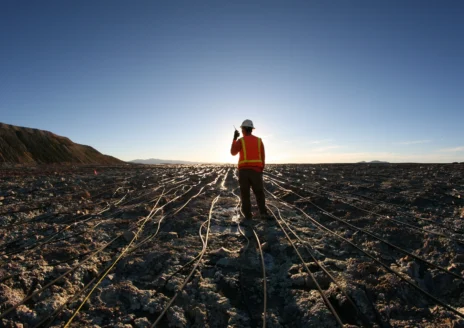
We apply advanced geophysical leak detection methods to identify and locate leaks in pipelines. Our non-invasive methods locate leak locations accurately, without excavation, helping you protect infrastructure, minimize environmental impact, and avoid costly failures.
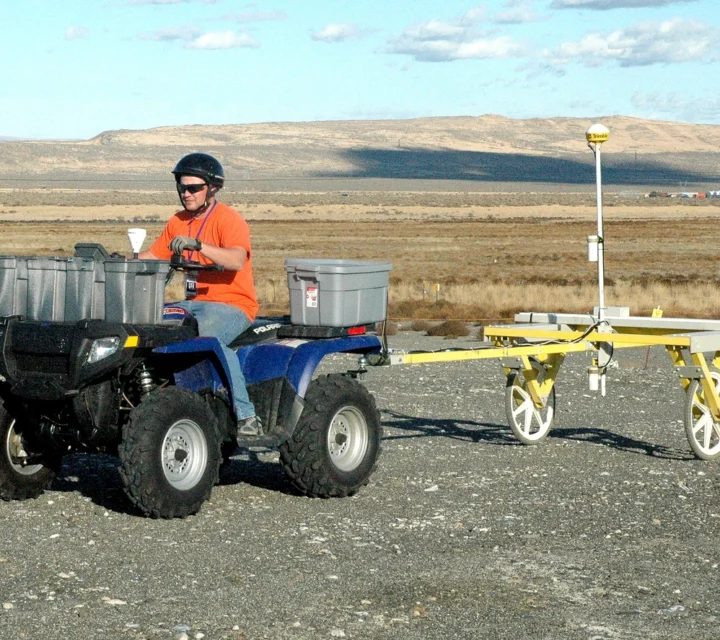
Undetected pipeline leaks can lead to product loss, environmental contamination, and safety hazards. Our geophysical technology identifies leak locations without extensive excavation or disruption. This targeted approach reduces excavation costs, minimizes downtime, and enables faster repairs while helping you maintain compliance and protect groundwater resources.
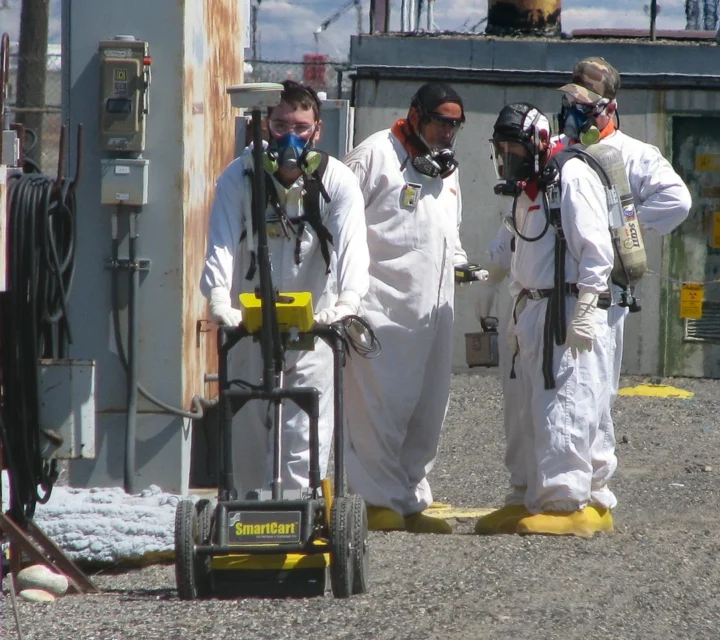
Our pipeline leak detection technology measures subtle changes in the electrical properties of the soil surrounding buried pipelines. Escaping fluids change the soil’s electrical conductivity and moisture content, creating detectable anomalies. Our non-invasive approach works without excavation or direct pipeline access. We use a suite of geophysical tools to detect subsurface leaks, including electrical resistivity, ground penetrating radar, and time-domain electromagnetic methods.
Get the facts about our pipeline leak detection services to locate leaks with accuracy, minimize disruption, and help protect pipelines, property, and the environment.
Yes. Our geophysical systems can locate leaks effectively beneath roadways, parking lots, and other developed or hard-to-access areas.
Our ATV-mounted TDEM system enables rapid, large-scale coverage for efficient assessment of extensive pipeline networks.
Leaks often result from defects, corrosion, unreported construction damage, or structural failure over time.
Yes. Our noninvasive methods are ideal for sensitive and hazardous locations where safety and environmental protection are critical.
Leaks in pipelines can lead to loss, damage, and uncertainty. Pipeline leak detection provides field-verified leak locations to support focused repairs, minimize disruption, and inform maintenance and planning decisions.
Loading...