Certerra Subsurface Liner Leak Location – Pinpointing industrial pond liner leaks
News2 Mar 2026
CCTV pipe inspection provides direct visual access to the interior of buried pipes and conduits. Remote camera systems are used to observe internal conditions, verify connectivity, and document features without excavation or service disruption.
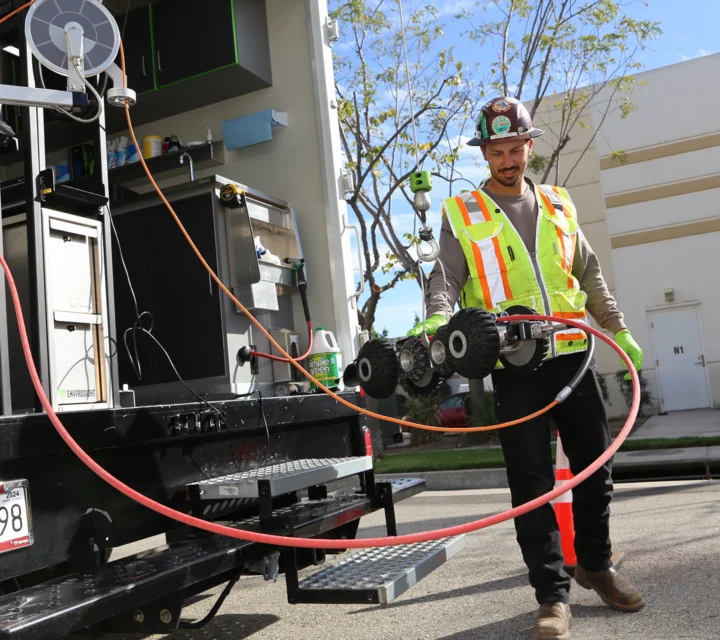
Buried pipes may have unknown internal conditions, undocumented connections, or suspected obstructions. CCTV inspection addresses these uncertainties in sewer and storm drains by allowing direct visual confirmation before maintenance, rehabilitation, or investigative work proceeds.
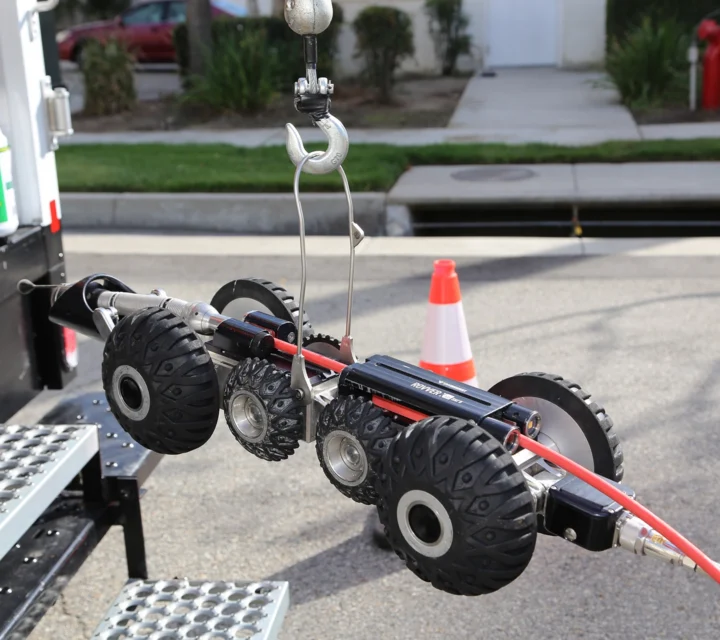
Inspection begins with access through existing cleanouts or entry points. Camera systems are advanced through the pipe while operators observe, record, and log features in real time. Execution focuses on steady progression, clear visuals, and complete coverage of the inspected segment.
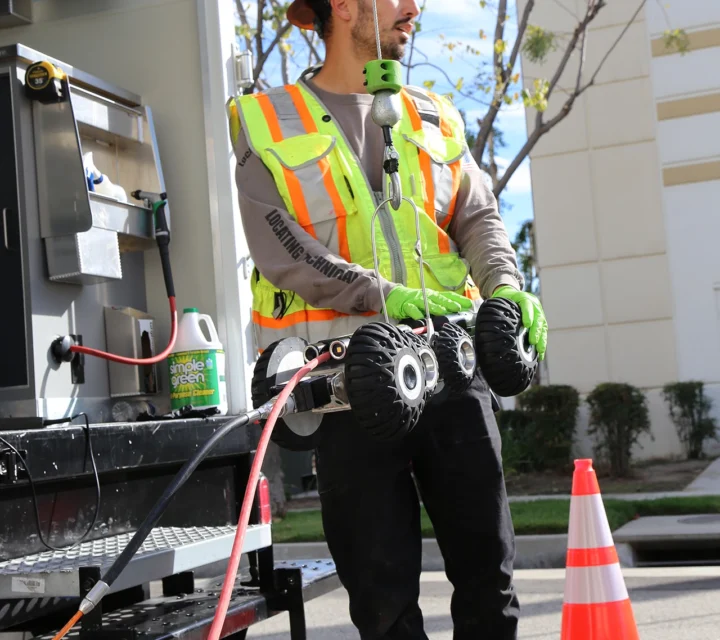
Deliverables include recorded video, still imagery, and inspection logs documenting observed features and conditions. Outputs support maintenance planning, verification efforts, and coordination with other subsurface services when required.
CCTV pipe inspection uses remotely operated camera systems selected based on pipe size, access conditions, and inspection objectives. Each method supports non-destructive internal observation and documentation of buried infrastructure.
A 1″–3″ diameter camera manually pushed through small-diameter pipes for internal inspection.
Motorized crawler inspects larger pipelines with adjustable viewing and joint inspection options.
Specialized camera system to inspect laterals and side branches within the main pipeline.
High-pressure water clears debris to allow camera insertion into blocked pipes.
Learn more about common considerations around internal pipe inspection, including access requirements, limitations, and delivered outputs.
Most gravity pipes and accessible conduits can be inspected, depending on diameter, length, and entry conditions.
CCTV provides visual observation only. It does not replace engineering analysis or structural evaluation.
Inspection is typically performed through existing access points, minimizing or eliminating the need for excavation.
Recorded video, images, and inspection logs are provided to document observed conditions.
CCTV pipe inspection provides direct visual confirmation of internal pipe conditions without excavation. Recorded video and inspection logs support verification, coordination, and informed decisions when internal pipe features must be clearly documented.
Loading...