Certerra Subsurface Liner Leak Location – Pinpointing industrial pond liner leaks
News2 Mar 2026
Sonde locating uses locatable transmitters placed inside pipes or conduits to trace their underground path. This direct investigation approach is used where surface locating methods cannot reliably confirm alignment or continuity.
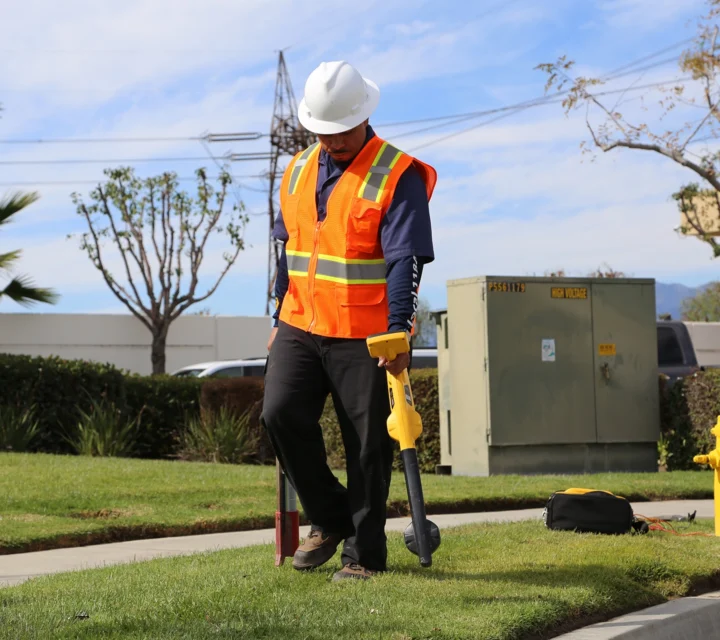
Some underground conduits cannot be reliably traced from the surface due to depth, material, or site conditions. Sonde locating addresses these challenges by placing a transmitter directly inside the conduit, allowing technicians to trace its path from above. This method is commonly used to locate storm drains, sanitary lines, and empty or non-conductive conduits where traditional locating methods are limited.
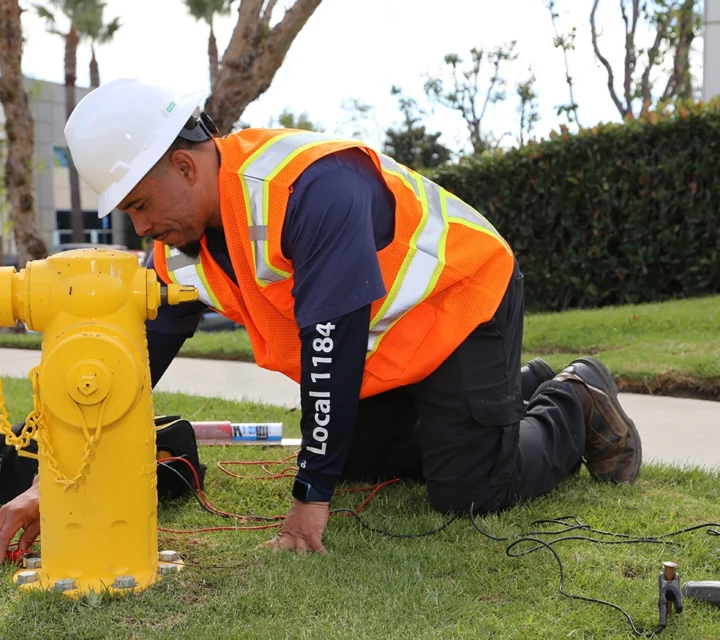
A locatable sonde is inserted into a pipe or conduit using inspection equipment or access points. The sonde emits a signal that is tracked from the surface with a receiver. Execution focuses on steady advancement and verification of alignment along the conduit path.
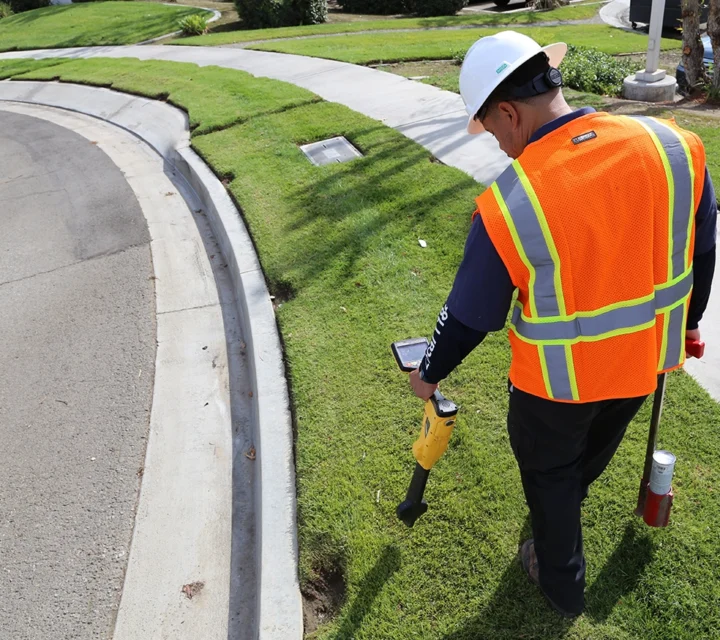
Deliverables include traced conduit paths marked at the surface and documented field observations. Results support verification, coordination with other investigation methods, and improved subsurface understanding where conduit routing is otherwise uncertain.
Direct investigation often involves multiple approaches depending on access, utility type, and project requirements. These related services support visual confirmation, targeted exposure, and field-verified documentation when greater subsurface confidence is required.
Camera inspection provides internal access to pipes where sondes are commonly deployed.
Field-verified conduit data documented using survey-grade mapping and reporting workflows.
Field-verified conduit data documented using survey-grade mapping and reporting workflows.
Defined work areas verified using multiple investigation methods before excavation or drilling.
Learn more about when sonde locating is used, how it differs from surface locating, and what information it provides to support direct investigation and subsurface verification.
Sondes are commonly used in storm drains, sanitary lines, empty conduits, and non-conductive pipes.
Sonde locating traces utilities from inside the conduit, rather than relying on surface-applied signals.
It is often used alongside CCTV inspection, utility locating, or potholing for confirmation.
Results typically include surface markings and documented observations of conduit alignment.
Sonde locating provides a reliable way to trace buried pipes, conduits, and drains where surface access is limited. Field-tracked sondes deliver verified alignment and depth information to support coordination and confident subsurface decisions.
Loading...